Istanbul Mon Amour: Pera’s Dark Room
[Beyoğlu through the eyes of Maryam Şahinyan
The new classic of Istanbul Theatre Festival turns the city into a stage, and walking into a part of the performance. Maryam Şahinyan’s daily walks form the thread of this narrative, revealing the neighbourhood’s lost images, unseen faces, and multi-layered memory.]1
Recently, I had the opportunity to attend an amazing theater performance. It was part of the 29th Theater Festival organized by the Istanbul Foundation of Culture and Arts. The show was uniquely divided into three distinct parts, each taking place in different venues scattered along Istiklal Street, which is known as one of the most historical and popular areas in the city of Istanbul. This setting added a special charm to the entire experience.
The journey kicks off at Beyoğlu Sports Club with "Bozmayın Çekiyorum," where playful masks and lively puppets invite the audience into a world of wonder. Next stop is Beyoğlu Cinema, where Burçak Çöllü’s "Gaybubet Şehri" blends words and film to explore the magic between cinema and space. The final chapter unfolds at Metrohan, now a cozy music hall, as "DEM" awakens the spirits of a bygone time with orchestra melodies, heartfelt narration, guest performers, and soulful songs.
It was an unique experience that I did not expected and have seen from a theater, three-venue idea genuinely shaped my understanding of traditional theater scene. The pacing, performers and stage decoration were well-thought. It was simple but successful. I also enjoyed the idea that this performance is festival only. I believe it enhances it’s story and preciousness.
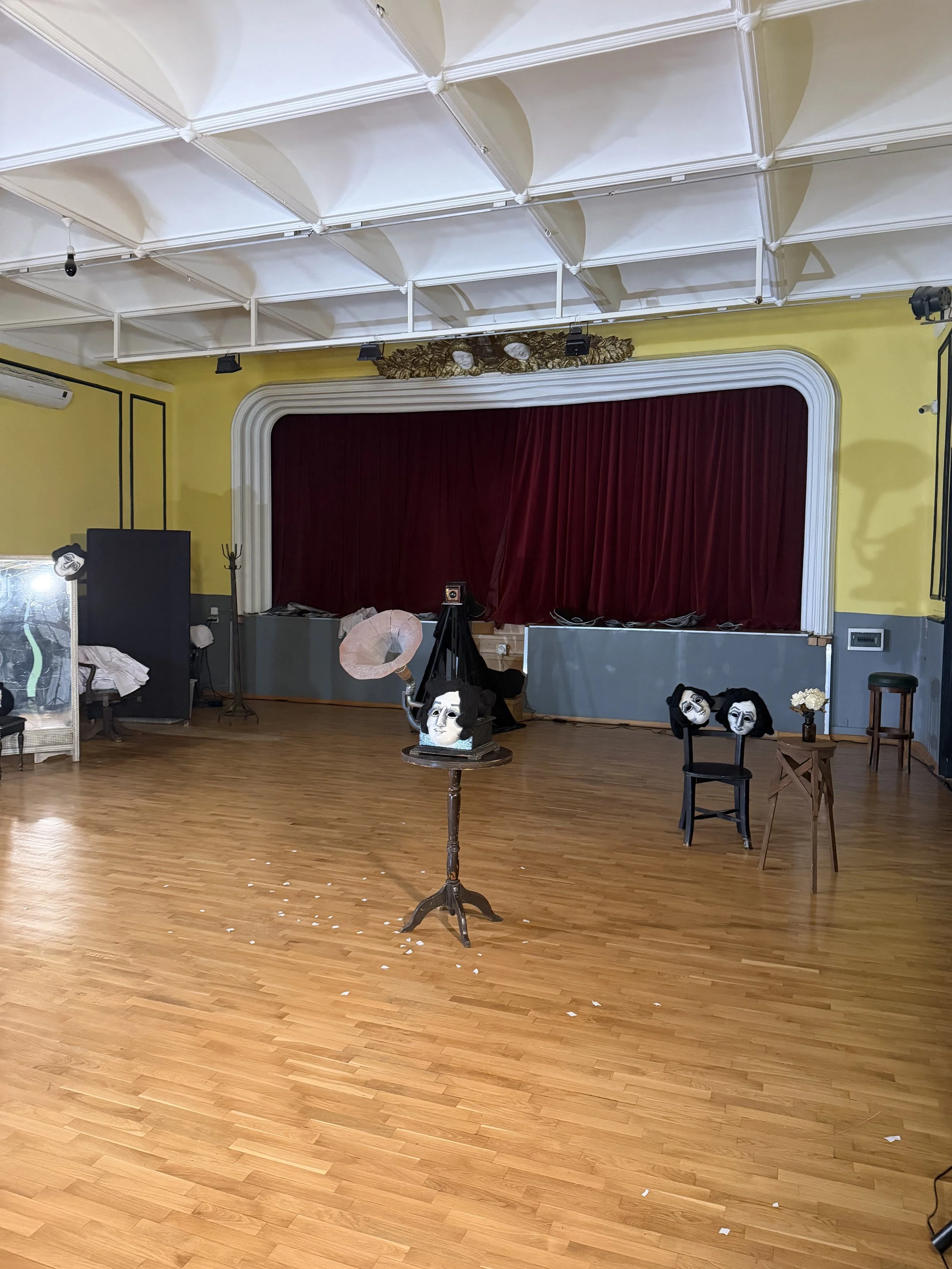
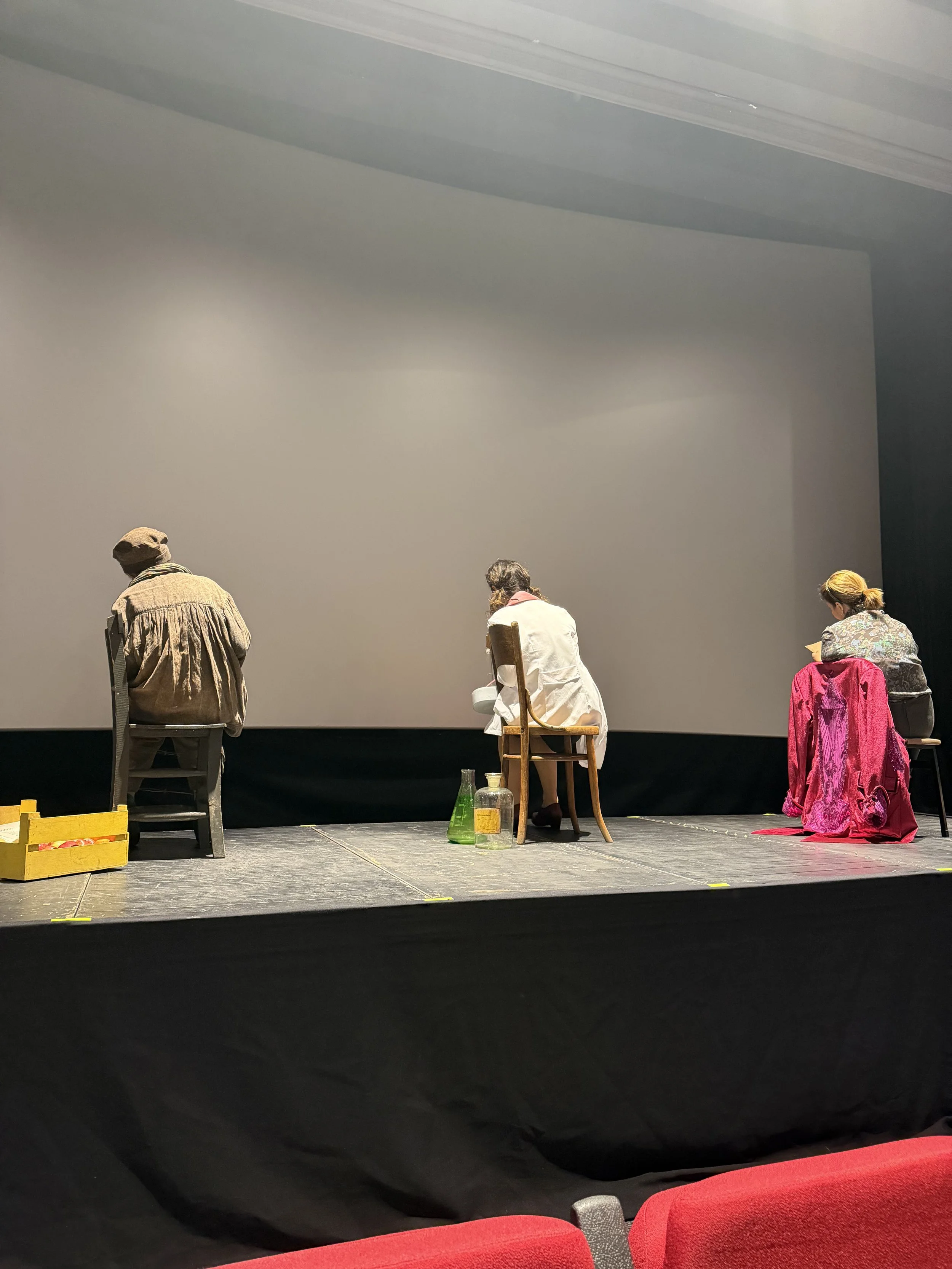

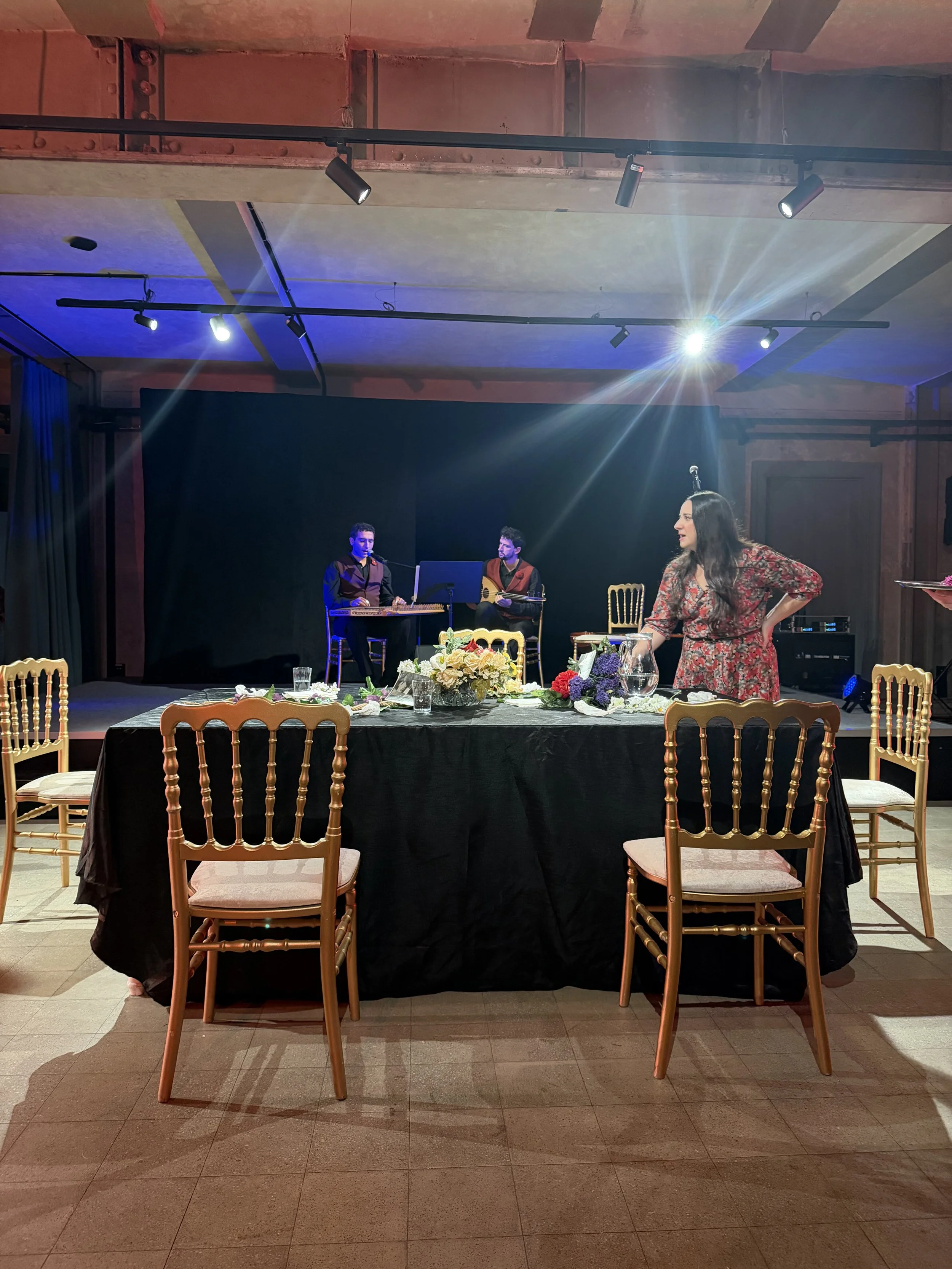
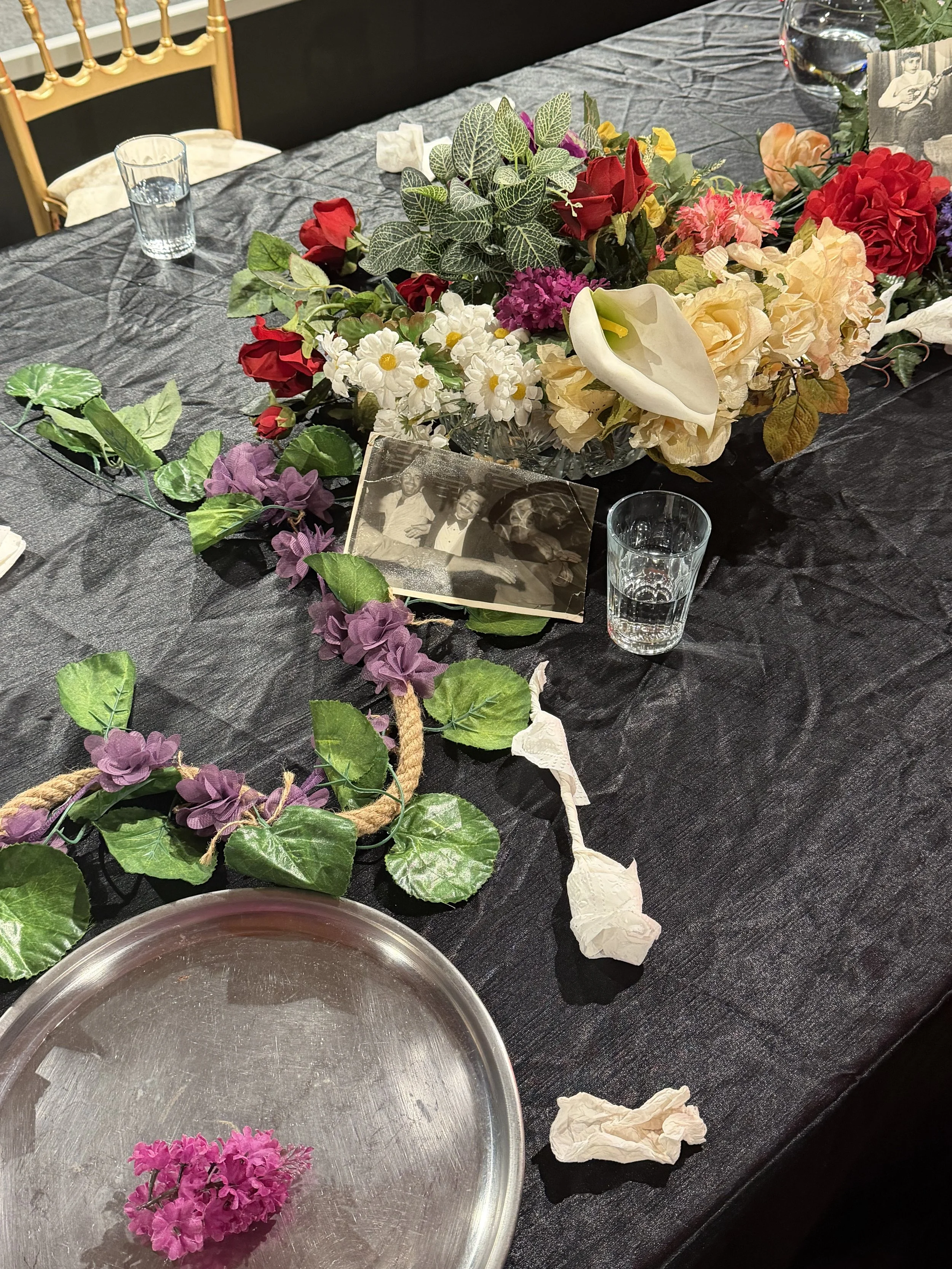
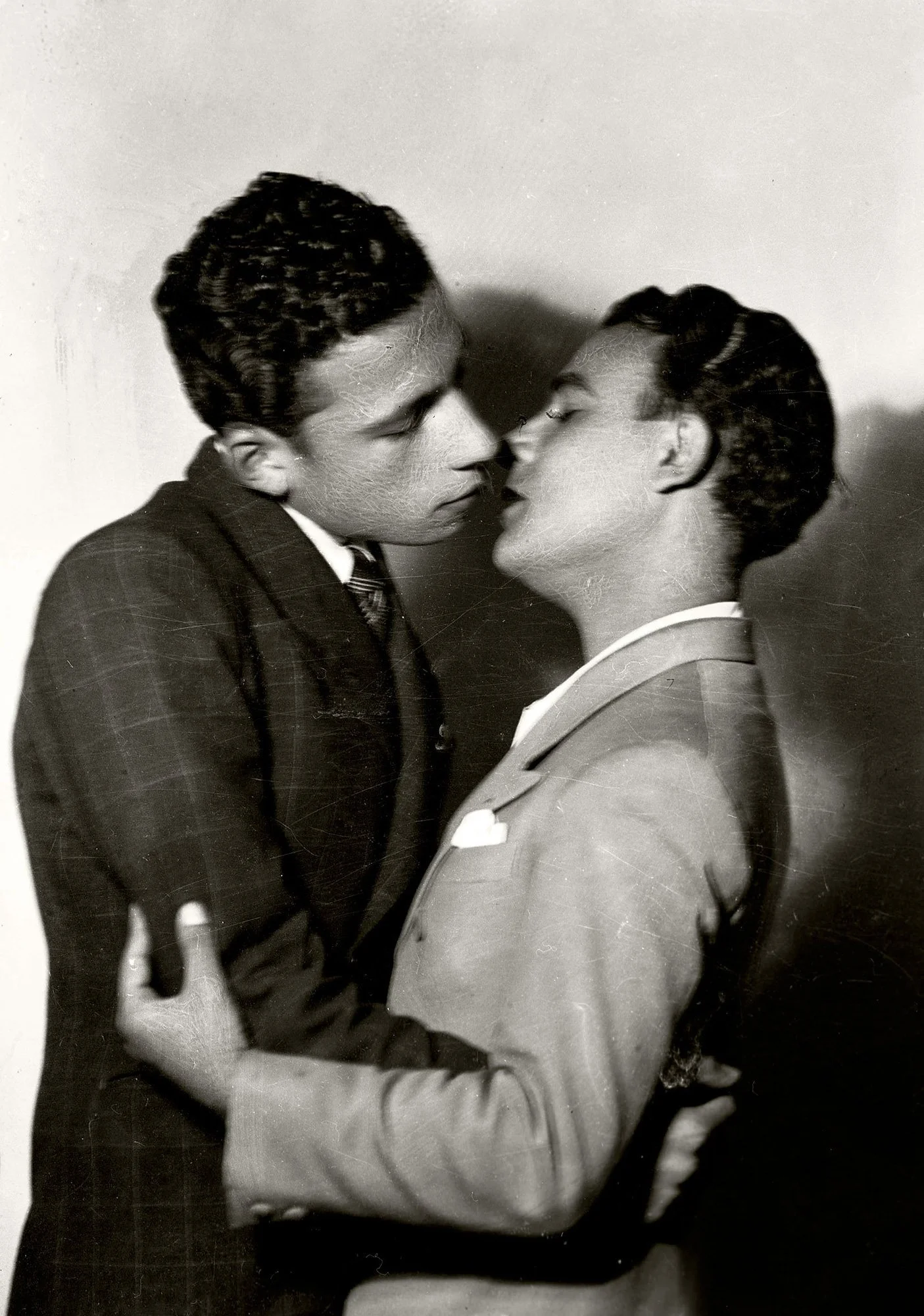
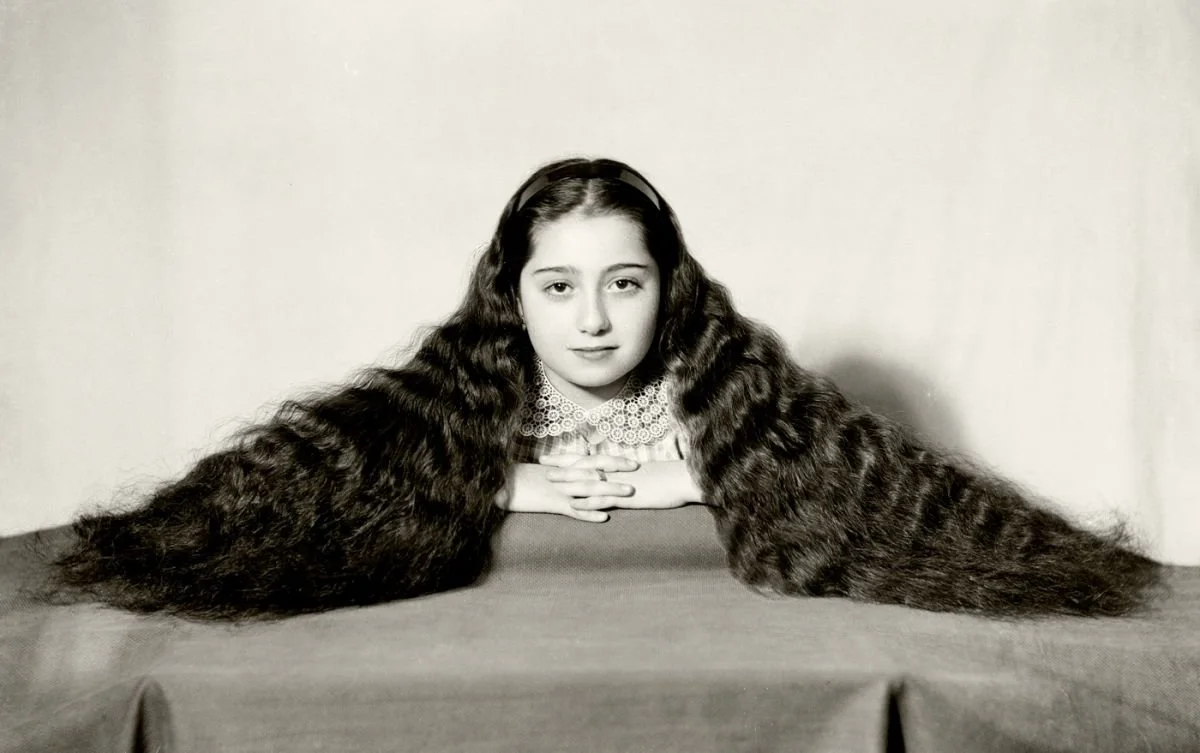
Thanks to Istanbul Mon Amour: Pera’s Dark Room, I had the opportunity to discover Maryam Şahinyan. She stands out as an extraordinary artist and personality. My research following the theatre revealed that she was a pioneer in studio photography, truly ahead of her time. Foto Galatasaray was far more than just a photography studio; it served as a sanctuary for those marginalized or excluded from the established norms of the society. It was a nurturing space where integrity and creativity flourished through the diverse identities, backgrounds, and beliefs. This reminded me of the 1990 film "Paris Is Burning" by Jennie Livingston.
“Şahinyan was a devout Armenian woman, and her identity created a closely-knit circle that determined the sociological basis of Foto Galatasaray’s clientele, setting it apart from İstanbul’s other studios. Except for four understated passport photos, no photographs exist of Şahinyan herself, who throughout her life remained behind the camera, scrupulously taking hundreds of thousands of photographs, retouching them, and painstakingly numbering and dating each film she developed. Spanning half a century, her work impartially traces the ethnic, social, cultural, religious and economic transformations taking place at the center of the city.”
Reflecting on Istanbul’s evolving city identity and life in Turkey is unmistakable. Both in theater and photography of Şahinyan’s capture political events from the 1942 Capital Tax to the 1974 Cyprus War. They reveal shifts in population, changing fashion trends, evolving class and demographic structures, generational contrasts, gender roles, and showcase Şahinyan’s distinctive viewpoint as a female photographer.
I especially want to thank Tayfun Serttaş. I don’t know him personally, but thanks for finding her work and bringing it to life for us. I’m looking for the book he wrote about Foto Galatasaray, but it’s impossible to find because it’s no longer published and resale prices are very high.
If you are seeing this please send me a copy!
Don’t forget to checkout more about Maryam Şahinyan!
Thank You*